Mission & Goals of the Careers Committee
The mission of the Careers Committee is to actively support Early Stage Investigators (ESIs) within TRR332, including doctoral candidates and postdoctoral researchers. As the TRR332 initiative currently does not include an integrated training programme (IRTG), the TRR332 team has put together these guidelines and programs to support doctoral researchers and early career postdocs in their work within the initiative. The corresponding documents can be downloaded from the internal section of the website.
Early career training within TRR332 is mainly organized locally at the partner institutions. In addition, consortium-wide measures coordinated by the Careers Committee and Early Career Representatives support exchange, address challenges, and organize joint activities such as the autumn school and annual retreats.
Each doctoral candidate is supervised by a TRR332 PI and supported by a Thesis Advisory Committee (TAC) consisting of the supervisor and additional internal or external experts. The TAC monitors scientific progress, defines milestones, and provides guidance on career development and networking.
Lab rotations are supported on an individual basis and allow doctoral candidates to gain new methodological skills and insights into different research environments. Rotations are organized in consultation with the supervisor and host laboratory.
Annual Early Stage Investigator Retreats
TRR332 organizes annual ESI Retreats to foster scientific exchange, feedback, and networking. The retreats combine technical and methodological training with team building, mentoring, and sessions on overarching topics like good scientific practice, scientific communication, and mental health.
TRR 332 Retreat 2023
From September 18 to 22, 2023, the yearly retreat of TRR 332 took place at the Faculty of...
Early Stage Investigator (ESI) Retreat 2024
The Early Stage Investigator Retreat 2024 with 25 participants took place in the charming city...
Early Stage Investigator (ESI) Retreat 2025
The second ESI retreat for the TRR332 took place from 19–22 October 2025 in Munich. It brought...
Young Investigator Award
To further support independent research by Early Stage Investigators, TRR332 offers a Young Investigator Award, funded from the consortium’s lump sum budget in accordance with the grant proposal. All proposals are reviewed by the Early Career Committee.
TRR332 awards 2024 round of pilot and strategic grants
To support early-stage scientists and to support strategic developments, TRR332 has awarded a...
TRR332 ESIs (Doctoral Candidates & PostDocs) as first authors:
- Richter, M.: Hypoxic-Ischemic Brain Injury in Neonatal Mice Sequentially Recruits Neutrophils with Dichotomous Phenotype and Function; 2025 Nat. Commun. A2 A5 C6 Z1
- Spangenberg, P.: msiFlow: automated workflows for reproducible and scalable multimodal mass spectrometry imaging and microscopy data analysis; 2025 Nat Commun A2 A3 C6 Z1
- Bader, A.: SCAMP3 Is Essential for Proper Formation and Function of Neutrophil Granules; 2025 J Leukoc Biol A3 C3 Z1
- Pylaeva, E.: G-CSF/NAMPT Signaling Drives Neutrophil Dysfunction and Enhances Bacterial Infection Susceptibility in Cancer Patients; 2025 Nat Commun A3 A5 C2 Z1
- Nussbaumer, K.: Posttranslational Sialylation and Its Impact on Neutrophil Recruitment; 2025 J Leukoc Biol C2
- Hageb, A.: Ontogenetic Drivers of Neutrophil Heterogeneity; 2025 Exp Hematol A1
- Heming, J.-N.: CD45 and CD148 Are Critically Involved in Neutrophil Recruitment and Function During Inflammatory Arthritis in Mice; 2025 Cells A2 C1
- Thomas, K.: Alveolar Epithelial and Vascular CXCR2 Mediates Transcytosis of CXCL1 in Inflamed Lungs; 2025 Nat Commun B5 C1
- Pylaeva, E.: Sellhi neutrophils: a key to triumph in cancer therapy; 2023 Signal Transduction and Targeted Therapy A5
- Spangenberg, P.: Rapid and Fully Automated Blood Vasculature Analysis in 3D Light-Sheet Image Volumes of Different Organs, 2023 Cell Reports Methods A3 C5 C6 Z1
- Bessler, S.: Visualization of Differential Cardiolipin Profiles in Murine Retinal Cell Layers by High-Resolution MALDI Mass Spectrometry Imaging; 2023 Anal. Chem. Z1
- Pylaeva, E.: During Early Stages of Cancer, Neutrophils Initiate Anti-Tumor Immune Responses in Tumor-Draining Lymph Nodes; 2022 Cell Reports A5 C6
- Kalafati, L.: The Role of Neutrophils in Trained Immunity; 2022 Immunol Rev B4
- Widera, L.: TSP1/TGF-ß1 drives arachidonic acid metabolism to orchestrate neutrophil swarming; bioRxiv A2 A3 A5 B4 B6 C5 C6 Z1
Paper of the Year Award
Each year, the Scientific Advisory Board selects a Paper of the Year, awarded at the annual retreat. Eligible publications must be original research articles, involve collaboration between at least two TRR332 projects, and list a TRR332 ESI as first author.
Links to Graduate Programs and postdoc supporting programs at TRR332 sites:
Münster
Münster Centre for Emerging Researchers (CERes)
SP Biosciences
CIM-IMPRS
Munich
Munich Medical Research School (MMRS)
LMU Graduate Center
Munich Postdoc Network (PostDocs)
Medical and Clinician Scientist Program (PostDocs)
LMU postdoc support fund (PostDocs)
Duisburg / Essen
Graduate School of Medical Sciences (BIOME)
https://www.uni-due.de/med/umea/umea_pep (PostDocs)
University Medicine Essen Medical Scientist Academy - UMESciA (PostDocs)
Dortmund
ISAS – Structured PhD programme
Dresden
Dresden International Graduate School for Interdisciplinary Life Sciences (DIGS-ILS)
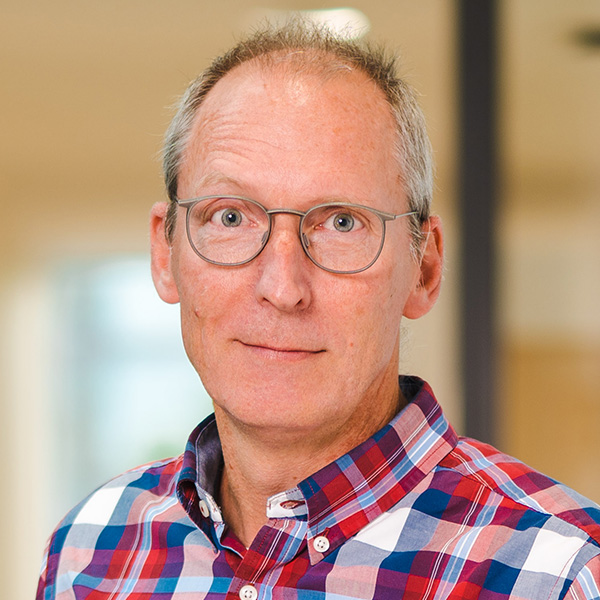
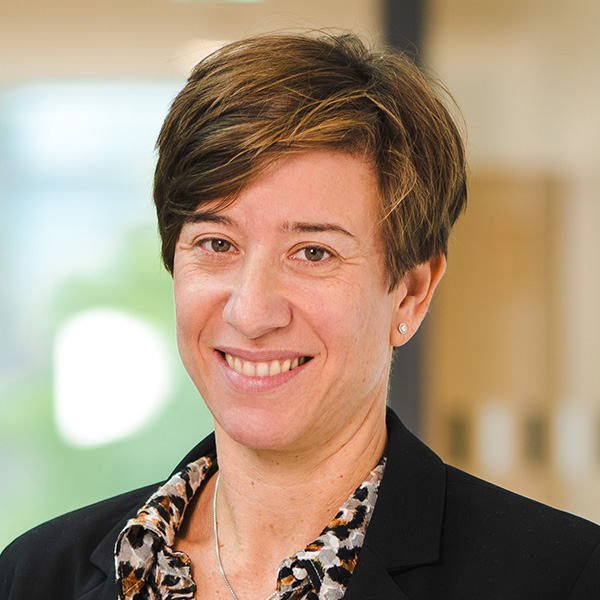
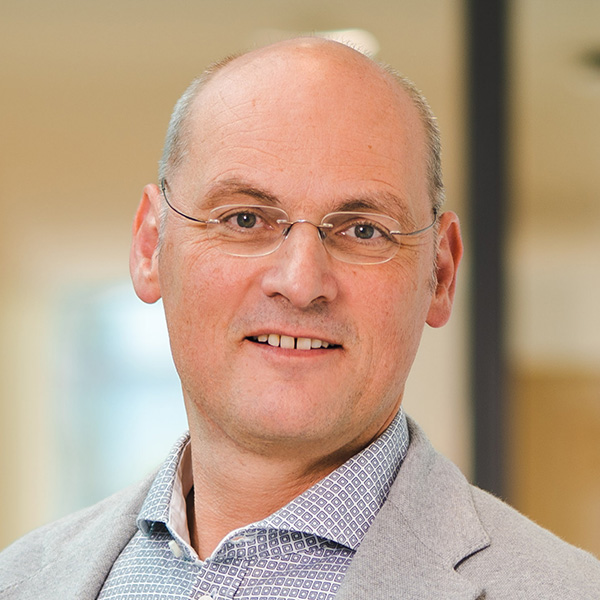
Members of the Careers Committee
Do you have further questions or need support in the mentioned topics? Please get in touch with us!